Vienna, Austria
Peter Steinberger & OpenClaw
“What if the OpenClaw architecture was modified for enterprise industries like healthcare?”
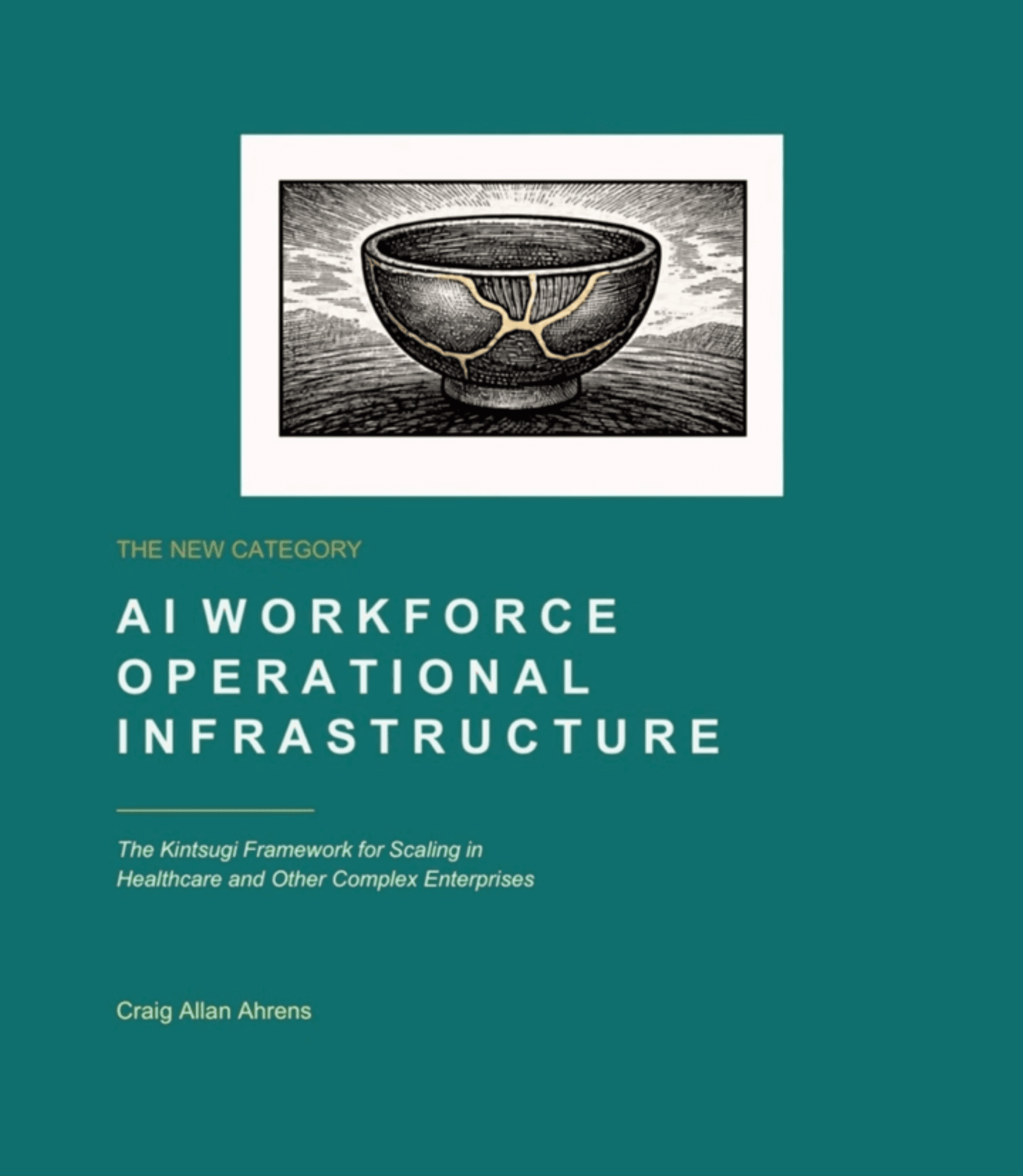
The enterprise AI conversation has split into two camps: dystopia, where machines replace workers, or utopia, where one platform solves everything. Craig Allan Ahrens rejects both. Both miss the actual problem. The actual problem is the lack of connectivity between existing infrastructure — visibility gaps that prevent organizations from unifying data and identifying clear pathways for roles to be amplified. Healthcare alone burns over two trillion dollars annually in administrative overhead — duplicated credentialing, fragmented scheduling, career development that exists only on paper, and dozens of disconnected platforms that store data but cannot act on it. Every health system maintains this isolation independently. The cost compounds. The inefficiency compounds.
Craig witnessed this firsthand early in his career. The pattern never changed: fragmented systems, no unified workforce view, and millions spent because the connective infrastructure to activate the people already inside the building had never been built. This book declares a different path. Rather than replacing broken systems, you join them with gold — AI workforce operational infrastructure that unifies existing infrastructure. The Kintsugi Framework lays out shared, compounding architecture built on five principles: See, Prepare, Apply, Compound, Declare. A crosswalk creating interoperability without replacing systems. Capability maps transforming job descriptions into declarations of human potential. Amplifiers multiplying what workforce professionals can do. And an Infrasharing model — modeled on Visa’s shared payment platform for banks — making every institution that joins smarter, stronger, and less expensive to operate.
The human leads. The agents amplify. The infrastructure compounds.
Free PreviewFounding Team